Coral can adapt We’re making sure it does
We accelerate the growth of healthy, resilient coral ecosystems through expertise, partnerships, and collaboration with leading universities. Join us in turning research into action for a sustainable future.
Why does coral turn white?
Over the past 30 years, rising ocean temperatures have caused the loss of 50% of the world's coral reefs. What happens to coral when the ocean warms?
-
Coral is an animal that lives in symbiosis with algae inside its cells. These algae give coral its color and provide most of its food through photosynthesis.
-
It turns completely white. Without its main food source, the coral weakens and eventually dies.
-
Coral reefs are home to 25% of all marine species, making them one of the most biodiverse ecosystems on the planet and crucial for ocean health.
Our approach is simple and consists of three pillars.
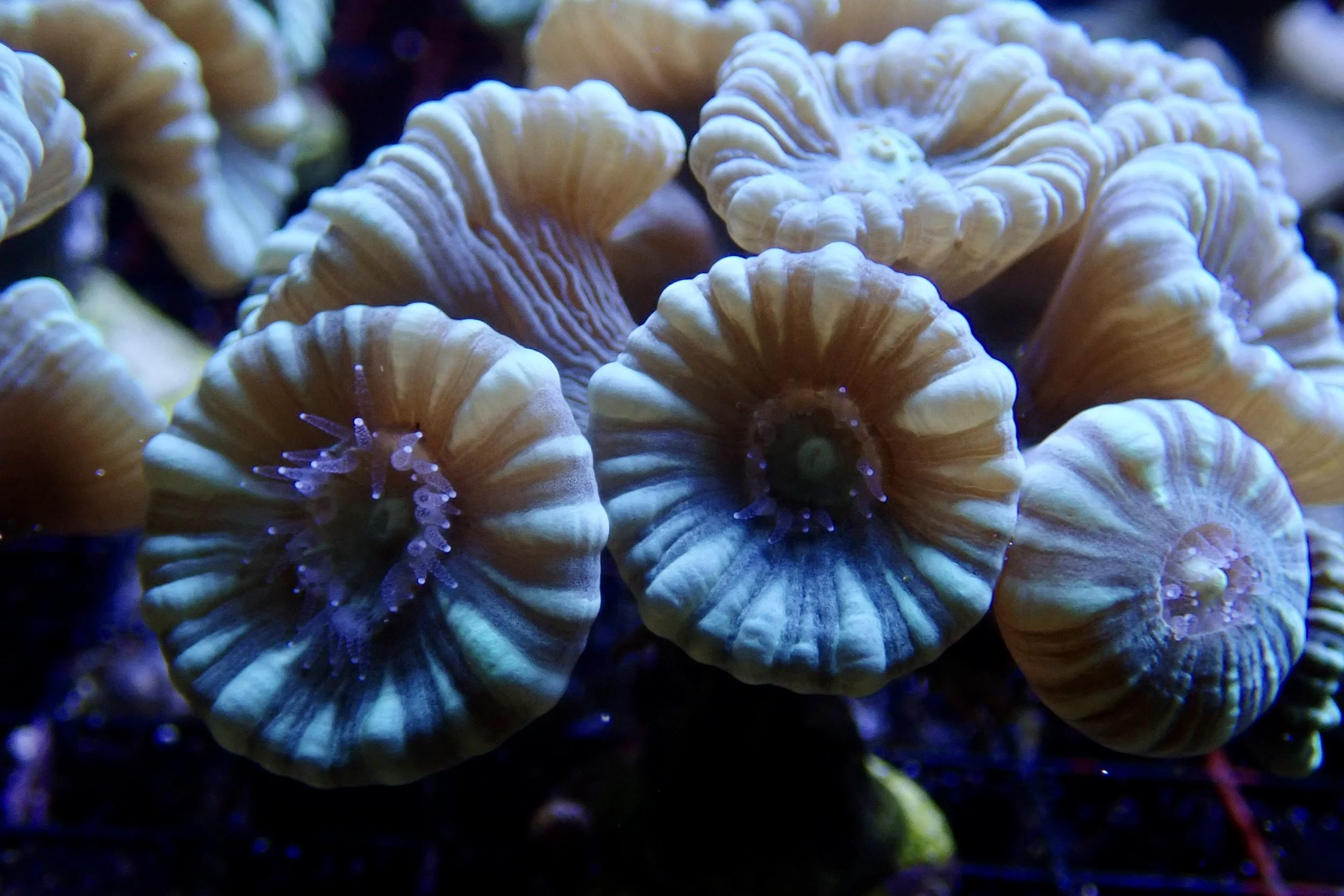
Making adaptation possible is what matters most.
Through Assisted Evolution, we strengthen coral from within by increasing the heat tolerance of its symbiotic algae. This approach is developed in collaboration with leading scientific partners.
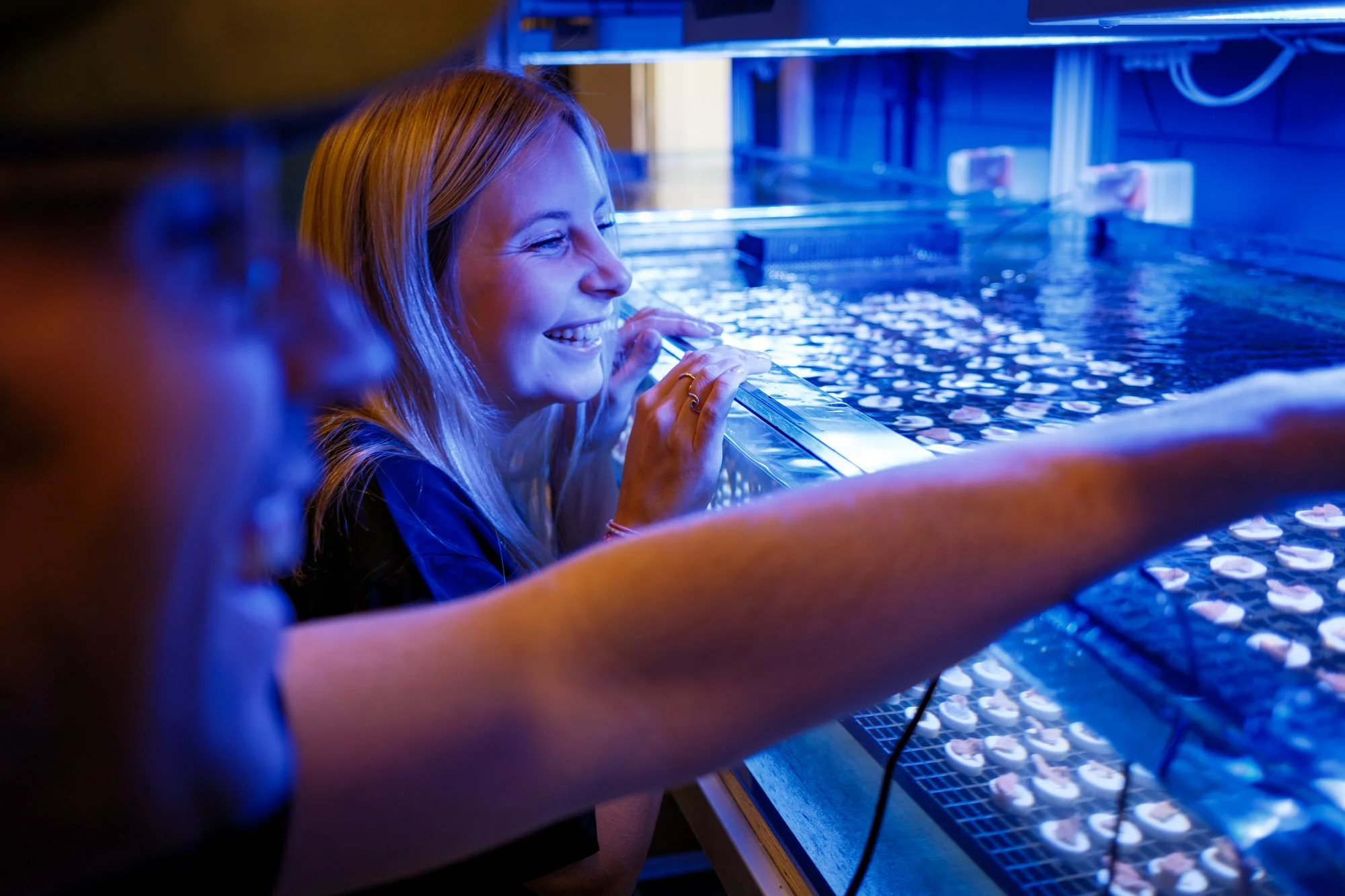
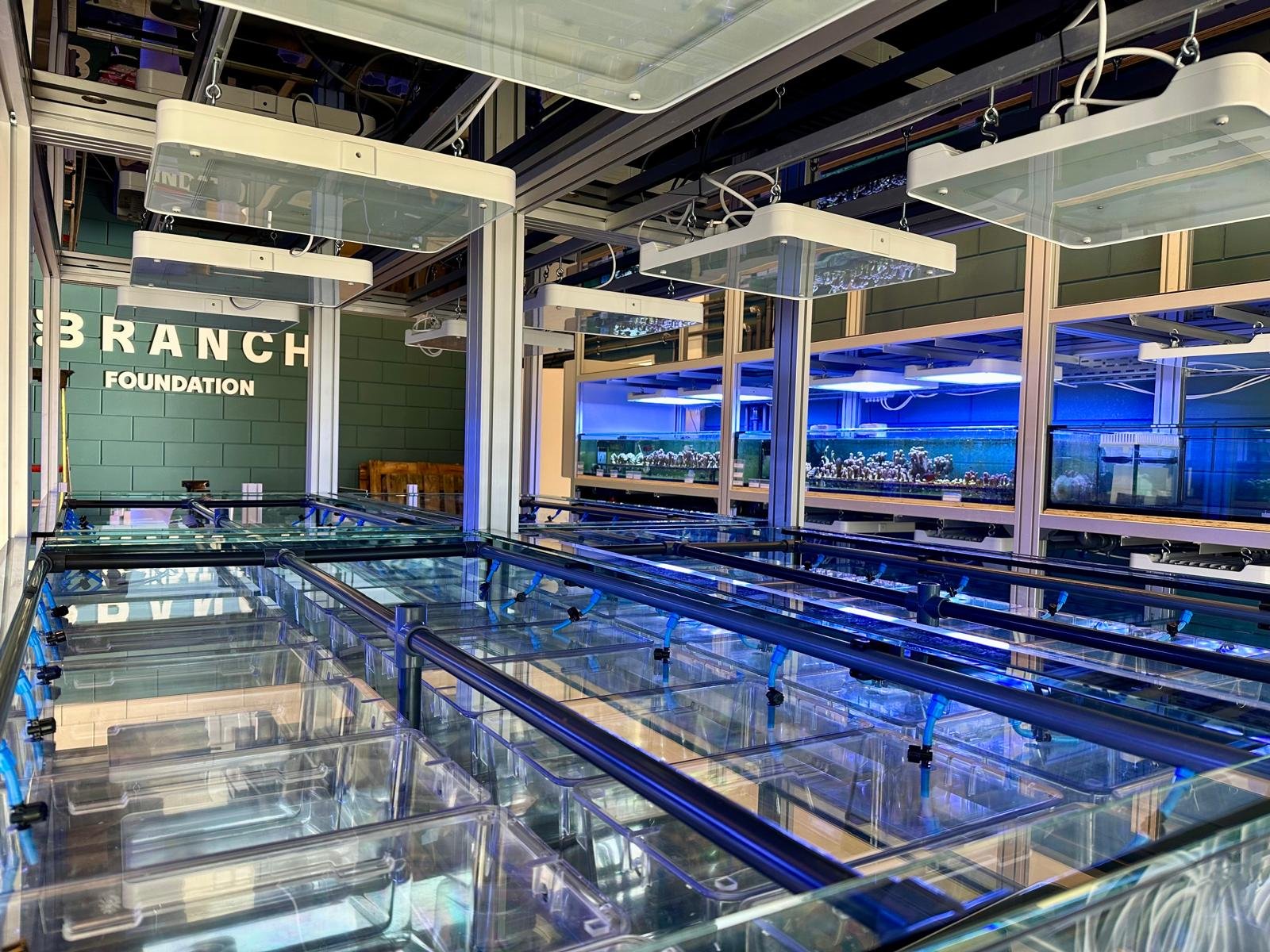
We innovate to scale adaptation
We develop scalable, automated coral nurseries that enable local teams to cultivate and outplant more heat-tolerant coral, accelerating restoration worldwide.
Creating engagement is essential to get things done.
Raising local awareness about behaviors that harm ecosystems and engaging local communities are essential for achieving our targets effectively.
Our projects
-
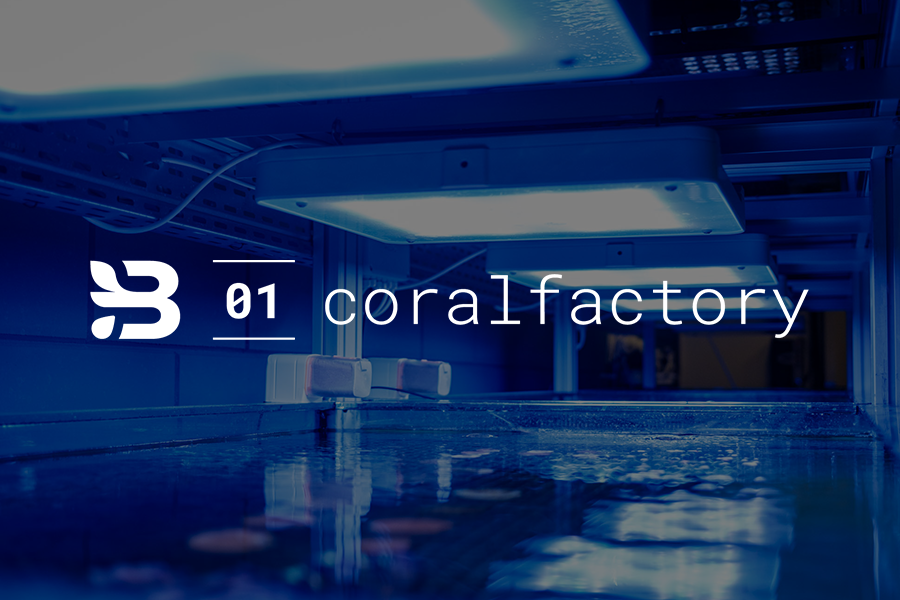
![CoralFactory, the land-based coral nursery and innovation hub of BRANCH in Utrecht]()
CoralFactory is a scalable land based coral nursery by BRANCH Foundation, combining automation, biodiversity research and global data sharing to accelerate effective reef restoration.
-
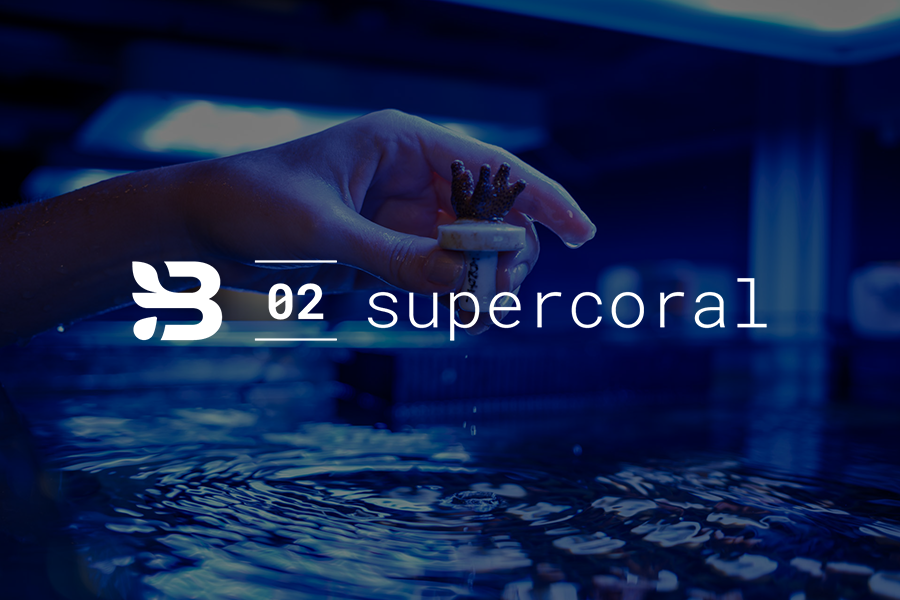
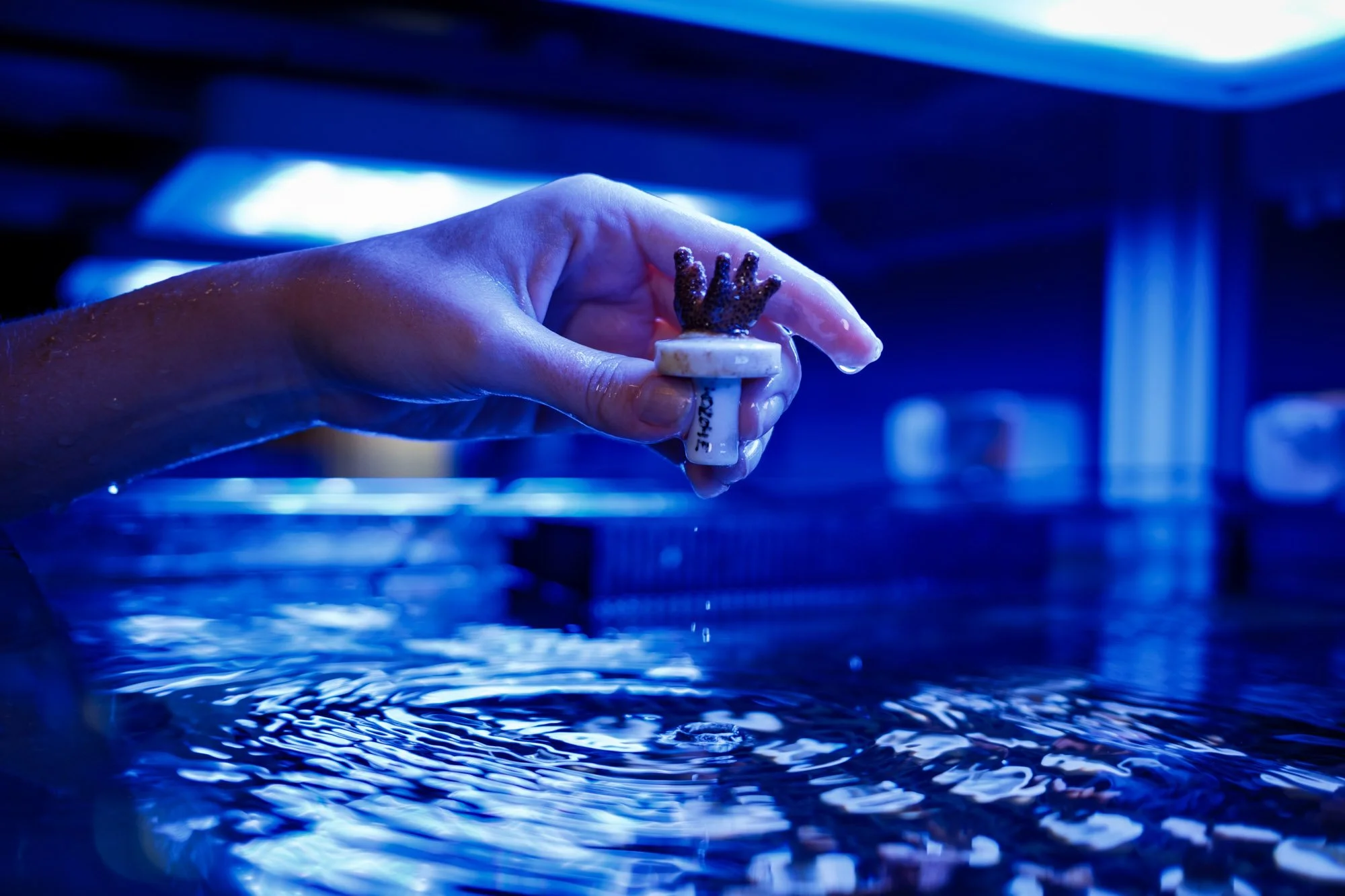
![Hand holding a piece of coral, water drops fall off.]()
Project SuperCoral develops heat-resistant corals using cutting-edge research and assisted evolution, building resilience for reefs under climate stress.
-
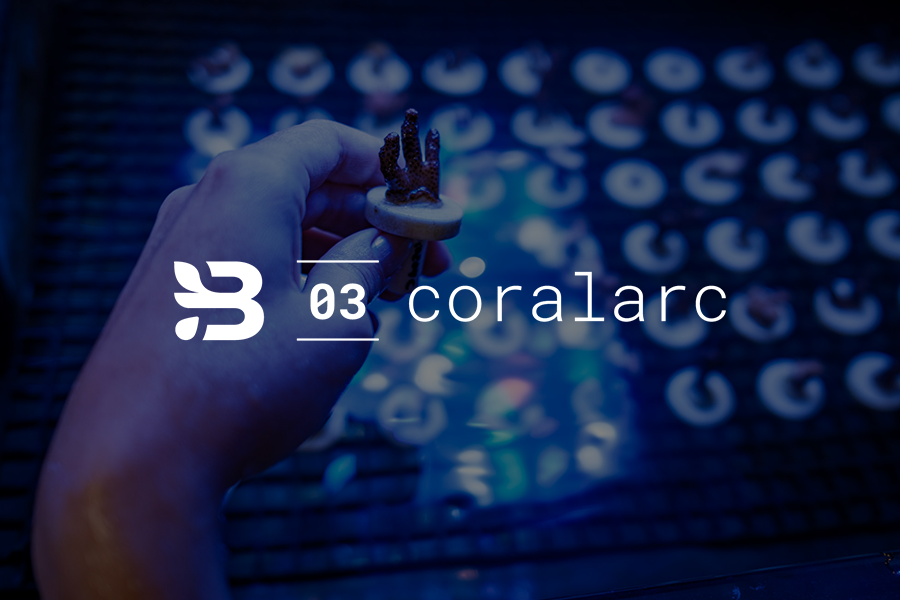
![Hand holding fragment of coral above grid of coral fragments.]()
CoralArc’s sanctuary safeguards a living archive of diverse coral species in one protected location, preventing genetic loss and securing a resilient foundation for future reef restoration.